Curated Collection

🧬 Health & Longevity

Cached

Science-backed content on lifespan, healthspan, nutrition, exercise and aging research.

šŸ¤– AI & Technology šŸ“ˆ Business & Finance šŸ¢ Real Estate 🧬 Health & Longevity šŸ›”ļø Geopolitics & Defense ⚔ Energy & Climate šŸ”¬ Science šŸ’° Economics šŸ“œ History šŸŽ“ Education
The Biology of Slowing & Reversing Aging | Dr. David Sinclair
88
Andrew Huberman

The Biology of Slowing & Reversing Aging | Dr. David Sinclair

In this episode, I am joined by Dr. David Sinclair, tenured professor of genetics at Harvard Medical School and an expert researcher in the field of longevity. Dr. Sinclair is also the author of the book Lifespan: Why We Age & Why We Don't Have To and the host of the Lifespan podcast, which launches January 5, 2022. In this interview, we discuss the cellular and molecular mechanisms of aging and what we all can do to slow or reverse the process. We cover fasting and supplementation with resveratrol, NAD, metformin and NMN. We also explore the use of caffeine, exercise, cold exposure and why excessive iron load is harmful. Further topics include food choices for offsetting aging and promoting autophagy (clearance of dead cells) and the key blood markers everyone should monitor to determine biological versus chronological age. We look ahead to the future of longevity research and technology. This episode includes extensive basic science and specific, actionable protocols, right down to the details of what to do and when. By the end, you will have in-depth knowledge of the biology of aging and how to offset it. For an up-to-date list of our current sponsors, please visit our website: https://www.hubermanlab.com/sponsors. Previous sponsors mentioned in this podcast episode may no longer be affiliated with us. Dr. David Sinclair Links: Lifespan Podcast: https://lifespanpodcast.com Twitter: https://twitter.com/davidasinclair Instagram: https://www.instagram.com/davidsinclairphd/ YouTube: https://www.youtube.com/davidsinclairpodcast Lifespan (book): https://amzn.to/47MLimC Aging Test Waitlist: https://www.tallyhealth.com Harvard Lab Website: https://sinclair.hms.harvard.edu Social: Instagram - https://www.instagram.com/hubermanlab Twitter - https://twitter.com/hubermanlab Facebook - https://www.facebook.com/hubermanlab Website - https://hubermanlab.com Newsletter - https://hubermanlab.com/neural-network Timestamps: 00:00:00 Dr. David Sinclair, Harvard Medical School 00:03:30 ROKA, InsideTracker, Magic Spoon 00:07:45 ā€œAging as a Diseaseā€ vs. Longevity & Anti-Aging 00:10:23 What Causes Aging? The Epigenome 00:15:53 Cosmetic Aging 00:17:15 Development Never Stops, Horvath Clock 00:20:12 Puberty Rate as a Determinant of Aging Rate 00:23:00 Fasting, Hunger & Food Choices 00:32:44 Fasting Schedules, Long Fasts, (Macro)Autophagy 00:34:50 Caffeine, Electrolytes 00:35:56 Blood Glucose & the Sirtuins; mTOR 00:37:55 Amino Acids: Leucine, ā€œPulsingā€ 00:44:35 Metformin, Berberine 00:50:29 Resveratrol, Wine 00:53:20 What Breaks a Fast? 00:56:45 Resveratrol, NAD, NMN, NR; Dosage, Timing 01:09:10 Are Artificial Sweeteners Bad for Us? 01:12:04 Iron Load & Aging 01:15:05 Blood Work Analysis 01:19:37 C-Reactive Protein, Cholesterol: Serum & Dietary 01:26:02 Amino Acids, Plants, Antioxidants 01:33:45 Behaviors That Extend Lifespan, Testosterone, Estrogen 01:40:35 Neuroplasticity & Neural Repair 01:46:19 Ice Baths, Cold Showers, ā€œMetabolic Winterā€ 01:48:07 Obesity & How It Accelerates Aging, GnRH 01:52:10 Methylation, Methylene Blue, Cigarettes 01:56:17 X-Rays 01:59:00 Public Science Education, Personal Health 02:05:40 The Sinclair Test You Can Take: www.doctorsinclair.com 02:08:13 Zero-Cost Support & Resources, Sponsors, Patreon, Supplements, Instagram The Huberman Lab Podcast is for general informational purposes only and does not constitute the practice of medicine, nursing or other professional health care services, including the giving of medical advice, and no doctor/patient relationship is formed. The use of information on this podcast or materials linked from this podcast is at the user’s own risk. The content of this podcast is not intended to be a substitute for professional medical advice, diagnosis, or treatment. Users should not disregard or delay in obtaining medical advice for any medical condition they may have and should seek the assistance of their health care professionals for any such conditions.

Clean 88
The Longevity Advantage: How Strength Determines Healthspan
88
Stanford Health Care

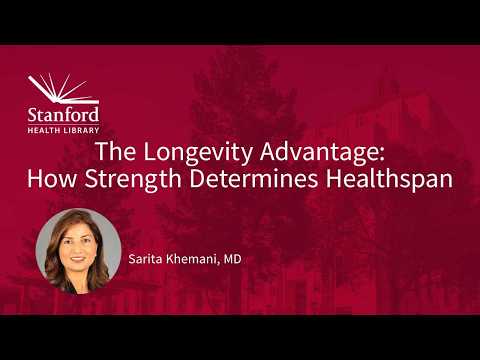
The Longevity Advantage: How Strength Determines Healthspan

The latest science is transforming how we think about aging. Research now shows that muscle acts as a dynamic organ—fueling metabolism, protecting brain health, strengthening immunity, and driving recovery. Sarita Khemani, MD, shares the latest research and insights on how muscle strength predicts healthspan, the evidence-based strategies that can help you build resilience, and where future discoveries in muscle and longevity research are leading us. To learn more about the Stanford Resilience & Longevity Initiative (STRIVE) please visit their website: https://strive.stanford.edu/ Sarita Khemani, MD, is a clinical associate professor of Medicine at Stanford University specializing in perioperative medicine. Her clinical expertise focuses on the prevention, early detection, and management of medical complications in surgical patients. She also serves as Director of the Stanford Resilience and Longevity Initiative (STRIVE) in Hospital Medicine, which aims to enhance physical and cognitive resilience and promote long-term healthspan. Want to know more? Ask Us. http://l.ead.me/ask-us The medical librarians at Stanford Health Library are here to help you find reliable information to answer your health-related questions. We use a variety of the most current, scientifically based resources to answer your specific questions and will send you a research packet tailored to you. This is a free service open to everyone. Take 5 minutes for yourself. Listen to free mindfulness and meditation resources including guided meditations to help ease pain, aid in healthful sleep, promote successful surgery, and more: http://l.ead.me/shl-mindfulness

Clean 88
333 ‒ Longevity roundtable—the science of aging, geroprotective molecules, & lifestyle interventions
83
Peter Attia MD

333 ‒ Longevity roundtable—the science of aging, geroprotective molecules, & lifestyle interventions

In this special episode of The Drive, Peter introduces a brand-new roundtable format. Joined by three renowned experts in longevity science—Steven Austad, Richard Miller, and Matt Kaeberlein—the group explores the rapidly evolving field of geroscience. Together, they dive deep into topics like the relationship between healthspan and lifespan, evaluating interventions like rapamycin and senolytics, the role of epigenetic changes in aging, and whether GLP-1 receptor agonists hold geroprotective potential. They also tackle major challenges in funding and public acceptance of longevity research including how geroprotective interventions might be tested in humans. Packed with nuanced debate, humor, and groundbreaking insights, this episode is a must-listen for anyone fascinated by the science of aging. View show notes here: https://bit.ly/4jpjjj8 Become a member to receive exclusive content: https://peterattiamd.com/subscribe/ Sign up to receive Peter's email newsletter: https://peterattiamd.com/newsletter/ We discuss: 0:00:00 - Intro 0:01:07 - The recent rise in public interest in longevity, misconceptions, and the link between healthspan and lifespan 0:10:54 - Redefining healthspan, the US healthcare paradox, and separating longevity science from commercial hype 0:20:48 - The need to redirect medical research from disease-specific models to aging-focused approaches 0:30:19 - Proactive healthcare: rethinking health, disease, and the role of aging 0:35:36 - Biologic age versus chronologic age, and the limitations and potential of epigenetic clocks 0:51:42 - The utility and drawbacks of the ā€œhallmarks of agingā€ as a framework for research and funding 0:59:22 - The role of epigenetic changes in aging and the challenges of proving causality 1:07:08 - The translational challenges of moving aging research from preclinical studies to human applications 1:22:23 - Distinguishing between a biomarker of aging and aging rate indicators 1:26:32 - The difficulties of translating longevity research in mice to humans, and the difficulties of testing interventions in humans 1:42:45 - Exercise, aging, and healthspan: does exercise slow aging? 1:48:26 - Are GLP-1 receptor agonists geroprotective beyond caloric restriction effects? 1:54:15- The role of senescent cells in aging, challenges with reproducibility in studies, and differing views on the value of current research approaches 2:09:46 - How funding challenges and leadership in NIH and other institutes impact the advancement of aging-related research 2:12:11 - Metformin: geroprotective potential, mechanisms, and unanswered questions 2:21:45 - Canagliflozin and rapamycin as geroprotective molecules: mechanisms, dosing strategies, and longevity potential 2:35:22 - Resveratrol and NAD precursors—a lack of evidence for anti-aging effects 2:43:17 - The potential of parabiosis and plasmapheresis to slow aging, the challenges in translating mouse studies to humans, and possible design for human studies -------- About: The Peter Attia Drive is a deep-dive podcast focusing on maximizing longevity, and all that goes into that from physical to cognitive to emotional health. With over 90 million episodes downloaded, it features topics including exercise, nutritional biochemistry, cardiovascular disease, Alzheimer’s disease, cancer, mental health, and much more. Peter Attia is the founder of Early Medical, a medical practice that applies the principles of Medicine 3.0 to patients with the goal of lengthening their lifespan and simultaneously improving their healthspan. Learn more: https://peterattiamd.com Connect with Peter on: Facebook: http://bit.ly/PeterAttiaMDFB Twitter: http://bit.ly/PeterAttiaMDTW Instagram: http://bit.ly/PeterAttiaMDIG Subscribe to The Drive: Apple Podcast: http://bit.ly/TheDriveApplePodcasts Overcast: http://bit.ly/TheDriveOvercast Spotify: http://bit.ly/TheDriveSpotify Google Podcasts: http://bit.ly/TheDriveGoogle Disclaimer: This podcast is for general informational purposes only and does not constitute the practice of medicine, nursing, or other professional healthcare services, including the giving of medical advice. No doctor-patient relationship is formed. The use of this information and the materials linked to this podcast is at the user's own risk. The content on this podcast is not intended to be a substitute for professional medical advice, diagnosis, or treatment. Users should not disregard or delay in obtaining medical advice for any medical condition they have, and they should seek the assistance of their healthcare professionals for any such conditions. I take conflicts of interest very seriously. For all of my disclosures and the companies I invest in or advise, please visit my website where I keep an up-to-date and active list of such companies. For a full list of our registered and unregistered trademarks, trade names, and service marks, please review our Terms of Use: https://peterattiamd.com/terms-of-use/

Clean 83
Emerging developments in longevity research | Dr. ABRAHAM KC HO | TEDxBeixinqiao
83
TEDx Talks

Emerging developments in longevity research | Dr. ABRAHAM KC HO | TEDxBeixinqiao

NOTE FROM TED: While some viewers may find this talk helpful as a complementary approach, please do not look to this talk as a substitute for medical advice. This talk only represents the speaker’s personal views and understanding of lifestyle, longevity, and health which warrants further scientific investigation. We've flagged this talk because it falls outside the content guidelines TED gives TEDx organizers. TEDx events are independently organized by volunteers. The guidelines we give TEDx organizers are described in more detail here: http://storage.ted.com/tedx/manuals/tedx_content_guidelines.pdf Longevity physician Dr. Abe Ho explores breakthroughs in longevity science, healthspan, preventive health, and healthy aging that could help more of us live longer and live better well beyond 100. From stem cells and regenerative medicine to anti-aging research, wellness, and the future of medicine, this talk looks at how science may reshape the way we think about aging and long-term health. With 20 years in the medical field, Dr. Abraham Ho launched his career as a general surgeon at Peking University People's Hospital. Troubled by watching cancer patients suffer through their final years—believing this reactive approach was inadequate— in the latter decade of his career he shifted his focus to health management and preventive medicine, aiding clients in mitigating cancer and other morbidity risks. His distinguished tenure includes co-founding Temple (serving as Chief Medical Officer), Chief Medical Officer and VP of Laboratory for Advanced Medicine (China), and Deputy GM of Medical Services at iKang Healthcare Group. Currently, as Chief Health Officer of Bycare Health, and focused on longevity science, he leads a team of physicians delivering exclusive full life cycle health management and longevity services to UHNWIs. He also serves as an Industry Mentor at Tsinghua University’s Schwarzman College and is a 2015 TEDxTALK alumni. This talk was given at a TEDx event using the TED conference format but independently organized by a local community. Learn more at https://www.ted.com/tedx

Clean 83
Advice From the #1 Longevity Doctor: Add 10 Years to Your Life With 3 Simple Habits
83
Mel Robbins

Advice From the #1 Longevity Doctor: Add 10 Years to Your Life With 3 Simple Habits

Order your copy of The Let Them Theory šŸ‘‰ https://melrob.co/let-them-theory šŸ‘ˆ The #1 Best Selling Book of 2025 šŸ”„ Discover how much power you truly have. It all begins with two simple words. Let Them. — Today’s episode could change (or save) your life. It’s a must-listen. You’ll hear from the world’s leading longevity doctor about the simple, proven changes that will help you live longer, feel better, and prevent diseases like cancer, heart disease, and dementia. Today, Mel sits down with one of the world’s most respected scientists, Dr. Eric Topol — a pioneering cardiologist, longevity researcher, and one of the top 10 most cited medical researchers alive today — to reveal the real, evidence-based approach to longevity. This is the science and art of living better, longer. Forget the trendy anti-aging supplements, infusions, and miracle cures: Dr. Topol is here to give you the truth on exactly what the science says about how to reverse the biological age of your organs, add up to a decade of healthy years to your life, and avoid the biggest killers we all fear. You’ll learn: -The #1 free intervention proven to slow aging -The three everyday habits that are aging you faster (and how to fix them) -How to exercise and eat for optimal health and longevity -The truth about supplements, IV drips, and anti-aging clinics -Why loneliness is as dangerous to your health as smoking -How exercise can be more effective than antidepressants -The breakthrough blood tests and tools that could predict — and prevent — diseases decades before they happen This conversation is full of science and hope, because as Dr. Topol says: ā€œIt has never been a more exciting time in medicine.ā€ Whether you want to prevent disease, feel better, or just live a longer, healthier life, this episode will give you the real plan for how to do it. If you love someone, send them this episode. It could save their life. For more resources related to today’s episode, click here for the podcast episode page: https://www.melrobbins.com/episode/episode-285/ Follow The Mel Robbins Podcast on Instagram: https://www.instagram.com/themelrobbinspodcast I’m just your friend. I am not a licensed therapist, and this podcast is NOT intended as a substitute for the advice of a physician, professional coach, psychotherapist, or other qualified professional. Got it? Good. I’ll see you in the next episode. In this episode: 00:00 Welcome 02:23 The Science of Longevity 07:16 How to Stay Healthy as You Get Older 25:05 The Truth About Anti-Aging, According to Science 34:31 How Ultra-Processed Foods Speed up Aging 48:28 The #1 Habit That Helps You Live Longer 54:49 The Science Behind Mental Health & Aging Well 01:02:04 Your Best Years Aren’t Behind You — Follow Mel: Instagram: https://www.instagram.com/melrobbins/ TikTok: http://tiktok.com/@melrobbins Facebook: https://www.facebook.com/melrobbins LinkedIn: https://www.linkedin.com/in/melrobbins Website: http://melrobbins.com​ — Sign up for Mel’s newsletter: https://melrob.co/sign-up-newsletter A note from Mel to you, twice a week, sharing simple, practical ways to build the life you want. — Subscribe to Mel’s channel here: https://www.youtube.com/melrobbins​?sub_confirmation=1 — Listen to The Mel Robbins Podcast šŸŽ§ New episodes drop every Monday & Thursday! https://melrob.co/spotify https://melrob.co/applepodcasts https://melrob.co/amazonmusic — Looking for Mel’s books on Amazon? Find them here: The Let Them Theory: https://amzn.to/3IQ21Oe The Let Them Theory Audiobook: https://amzn.to/413SObp The High 5 Habit: https://amzn.to/3fMvfPQ The 5 Second Rule: https://amzn.to/4l54fah

Clean 83
The Science of Healthy Aging: Six Keys to a Long, Healthy Life
78
Scripps Research

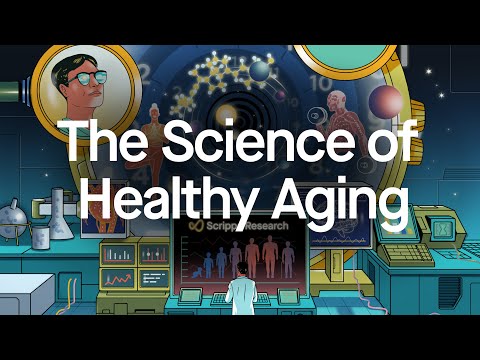
The Science of Healthy Aging: Six Keys to a Long, Healthy Life

Although growing older comes with a number of major life changes, science can help inform the things we do in the here in and now to forestall the most serious features of the aging self, promoting healthspan and not just lifespan. Build Muscle Muscle mass is one the best predictors of health and longevity. Muscle tissue is known to release its own chemicals called myokines, which can have benefits that span cognition, immunity and anti-cancer activity. By performing regular, resistance-based exercise that prioritizes strength, we can delay the loss of bone density and risk of physical injuries. Vitamin D Commonly known as the sunshine vitamin, vitamin D is in fact a critical hormone that helps maintain healthy bones, boost our immune system and improve our cardiovascular function. With age, the production of vitamin D in the skin can become less efficient, so if we don’t spend enough time outdoors, our risk of vitamin D deficiency may increase. Neurodegenerative Diseases One of the most unsettling aspects of aging is the potential for neurodegenerative disease. These conditions are increasingly prevalent in those with diabetes, suggesting that the brain’s blood flow and energy supply may be compromised. Research indicates that regular physical exercise, a healthy whole foods diet and staying intellectually active could at least slow the rate of decline. Mindfulness As we get older, major arteries can become thicker and less flexible, leading to increased blood pressure and undue strain on the heart. A regular mindfulness practice such as yoga or meditation has been shown to stem the release of stress hormones like cortisol and adrenaline. By freeing us from this ā€œfight-or-flightā€ state, this habit can improve blood flow and reduce the risk of heart attack and stroke. Stay Social As social animals, maintaining a strong sense of community and close personal relationships into old age are underestimated contributors to longevity. While social isolation in seniors can result in significant physical and mental decline, research suggests that close loved ones offer important emotional support and behavioral modifications that can overcome periods of high stress. Metabolism ā€œMy metabolism is slowing down!ā€ That’s what we often hear, as the aging body becomes less effective at using energy, placing us at risk of obesity and type 2 diabetes. By maintaining our muscle mass and reducing sugar consumption, we can support hormonal health, preserve our metabolism and keep our vitality into those advanced years. As scientists continue to find ways to extend our lives, paying attention to these keys to healthy aging can help increase the quality of those extra years. Learn more: https://magazine.scripps.edu/features/2021/summer/the-future-of-aging/ Or visit: https://www.scripps.edu/

Clean 78
This years biggest breakthroughs in longevity! (2025)
73
The Sheekey Science Show

This years biggest breakthroughs in longevity! (2025)

Every year I compile what I think were some important contributions to longevity research. Here is my list for 2025!! Find me on Twitter - https://twitter.com/EleanorSheekey Support the channel through PayPal - https://paypal.me/sheekeyscience?country.x=GB&locale.x=en_GB through Patreon - https://www.patreon.com/TheSheekeyScienceShow TIMESTAMPS: 00:00 – Intro & "What is aging?" / Hallmarks 2025 02:07 – Cellular reprogramming 05:47 – Senescent cells 11:45 – GLP‑1 agonists & ITP 13:43 – Elastin fragments & ECM aging 15:22 – Cardiac 'age‑switch' experiment 16:18 – Systemic environment: FOXO3 cells, antler EVs, plasma exchange 19:26 – Things you wouldn't have thought of: AI-predicted antibodies REFERENCES: What is aging / hallmarks Hallmarks of aging update 2025 (14 hallmarks, ECM + psychosocial isolation) https://www.sciencedirect.com/science/article/pii/S0092867425002843 Cellular reprogramming Prevalent mesenchymal drift in aging and disease is reversed by partial reprogramming – Cell 2025 https://doi.org/10.1016/j.cell.2025.07.031 A single factor for safer cellular rejuvenation (SB000) – bioRxiv 2025 https://doi.org/10.1101/2025.06.05.657370 https://www.biorxiv.org/content/10.1101/2025.06.05.657370v1 OpenAI x Retro Biosciences: AI‑designed reprogramming factors https://openai.com/index/accelerating-life-sciences-research-with-retro-biosciences/ Restoration of neuronal progenitors by partial reprogramming in the aged neurogenic niche – Nature Aging 2024 (YouthBio’s scientific basis) https://doi.org/10.1038/s43587-024-00605-5 Chemical reprogramming ameliorates cellular hallmarks of aging and extends lifespan in Caenorhabditis elegans – EMBO Molecular Medicine 2025 https://doi.org/10.1038/s44321-025-00265-9 https://pmc.ncbi.nlm.nih.gov/articles/PMC12340157/ Senescent cells An unbiased cell‑culture selection yields DNA aptamers as senescence‑specific reagents – Aging Cell 2025 https://doi.org/10.1111/acel.70245 Senolytic CAR T cells reverse senescence‑associated pathologies – Amor et al., Nature 2020 https://doi.org/10.1038/s41586-020-2403-9 Anti‑uPAR CAR T cells reverse and prevent aging‑associated defects in intestinal regeneration and fitness – Nature Aging 2025 https://doi.org/10.1038/s43587-025-01022-w Rejuvenation of Senescent Cells, In Vitro and In Vivo, by Low‑Frequency Ultrasound – Aging Cell 2025 https://pmc.ncbi.nlm.nih.gov/articles/PMC12151899/ Supplements, ITP & GLP‑1s Are GLP‑1s the first longevity drugs? – Nature Biotechnology 2025 https://doi.org/10.1038/s41587-025-02932-1 GLP‑1 receptor agonists at the crossroads of metabolism and longevity – Nature Aging https://www.nature.com/articles/s41514-025-00244-x Extension of lifespan by epicatechin, halofuginone and mitoglitazone in male but not female UM‑HET3 mice – GeroScience 2025 https://doi.org/10.1007/s11357-025-01603-5 https://pubmed.ncbi.nlm.nih.gov/40973907/ ECM, elastin & cardiac environment Elastin‑derived extracellular matrix fragments drive aging through innate immune activation – Nature Aging 2025 https://doi.org/10.1038/s43587-025-00961-8 Sun, A.R., Ramli, M.F.H., Shen, X. et al. Hybrid hydrogel–extracellular matrix scaffolds identify biochemical and mechanical signatures of cardiac ageing. Nat. Mater. 24, 1489–1501 (2025). https://doi.org/10.1038/s41563-025-02234-6 Systemic environment: stem cells, EVs, plasma Senescence‑resistant human mesenchymal progenitor cells counter aging in primates – Cell 2025 https://doi.org/10.1016/j.cell.2025.05.021 Attenuation of primate aging via systemic infusion of senescence‑resistant cells – https://pmc.ncbi.nlm.nih.gov/articles/PMC12202244/ Extracellular vesicles from antler blastema progenitor cells reverse bone loss and mitigate aging‑related phenotypes – Nature Aging 2025 https://pmc.ncbi.nlm.nih.gov/articles/PMC12443635/ Human clinical trial of plasmapheresis effects on biomarkers of aging – Aging Cell 2025 https://pmc.ncbi.nlm.nih.gov/articles/PMC12218284/ ā€œThings you wouldn’t think ofā€ – AI antibodies Atomically accurate de novo design of antibodies with atomic precision – Baker Lab, Nature 2025 https://doi.org/10.1038/s41586-025-09721-5 Computational design of human antibodies targeting any antigen – https://doi.org/10.1016/j.cell.2025.10.030 Please note that The Sheekey Science Show is distinct from Eleanor Sheekey's teaching and research roles. The information provided in this show is not medical advice, nor should it be taken or applied as a replacement for medical advice. The Sheekey Science Show and guests assume no liability for the application of the information discussed. Icons in intro; "https://www.freepik.com/free-photos-vectors/background"Background vector created by freepik - www.freepik.com

Clean 73
Why Social Health Is Key to Happiness and Longevity | Kasley Killam | TED
73
TED

Why Social Health Is Key to Happiness and Longevity | Kasley Killam | TED

You know it's important to take care of your physical and mental health. But what about your social health? Social scientist Kasley Killam shows how feeling a sense of belonging and connection has concrete benefits to your overall health — and explains why it may be the missing key to living a longer and happier life. (Recorded at TEDNext 2024 on October 24, 2024) If you love watching TED Talks like this one, become a TED Member to support our mission of spreading ideas: https://ted.com/membership Follow TED! X: https://twitter.com/TEDTalks Instagram: https://www.instagram.com/ted Facebook: https://facebook.com/TED LinkedIn: https://www.linkedin.com/company/ted-conferences TikTok: https://www.tiktok.com/@tedtoks The TED Talks channel features talks, performances and original series from the world's leading thinkers and doers. Subscribe to our channel for videos on Technology, Entertainment and Design — plus science, business, global issues, the arts and more. Visit https://TED.com to get our entire library of TED Talks, transcripts, translations, personalized talk recommendations and more. Watch more: https://go.ted.com/kasleykilliam https://youtu.be/LpSDuDIaBGk TED's videos may be used for non-commercial purposes under a Creative Commons License, Attribution–Non Commercial–No Derivatives (or the CC BY – NC – ND 4.0 International) and in accordance with our TED Talks Usage Policy: https://www.ted.com/about/our-organization/our-policies-terms/ted-talks-usage-policy. For more information on using TED for commercial purposes (e.g. employee learning, in a film or online course), please submit a Media Request at https://media-requests.ted.com #TED #TEDTalks #health #socialhealth

Clean 73
The ONE Supplement All Longevity Researchers Are Taking
73
Dr Brad Stanfield

The ONE Supplement All Longevity Researchers Are Taking

For weekly health research summaries and extra insights, sign up here šŸ‘‰ https://drstanfield.com/pages/sign-up šŸ’Š Supplements I Take: https://drstanfield.com/pages/my-supplements šŸ’ŠMicroVitamin+ (Pro) Powder: https://drstanfield.com/products/microvitamin-plus šŸ’ŠMicroVitamin Standard Capsules: https://drstanfield.com/products/microvitamin šŸ“œ Roadmap - how to look young & feel strong: https://drstanfield.com/pages/roadmap āœ”ļø Twitter: https://twitter.com/BradStanfieldMD āœ”ļø Patreon: https://www.patreon.com/bradstanfieldmd Here are the links to the research papers referenced in the video: https://www.ncbi.nlm.nih.gov/pmc/articles/PMC8912287/ https://academic.oup.com/nutritionreviews/advance-article/doi/10.1093/nutrit/nuac064/6671817 https://pmc.ncbi.nlm.nih.gov/articles/PMC11275561/ https://pubmed.ncbi.nlm.nih.gov/39488067/ https://www.mdpi.com/2218-273X/9/9/406 https://pmc.ncbi.nlm.nih.gov/articles/PMC7296259/ https://pubmed.ncbi.nlm.nih.gov/40014064/ https://pubmed.ncbi.nlm.nih.gov/39796490/ https://www.ncbi.nlm.nih.gov/pmc/articles/PMC5772850/ https://www.ncbi.nlm.nih.gov/pmc/articles/PMC6322506/ https://pmc.ncbi.nlm.nih.gov/articles/PMC8949037/ https://www.dovepress.com/effect-of-creatine-supplementation-during-resistance-training-on-lean--peer-reviewed-fulltext-article-OAJSM https://jissn.biomedcentral.com/articles/10.1186/s12970-021-00412-w https://pubmed.ncbi.nlm.nih.gov/23851411/ https://pubmed.ncbi.nlm.nih.gov/19741313/ https://link.springer.com/article/10.2165/11536910-000000000-00000 https://nutritionj.biomedcentral.com/articles/10.1186/1475-2891-13-115 https://www.tandfonline.com/doi/full/10.1186/s12970-017-0173-z Thumbnail by James Kelly Video edited by Troy Young Script by John Milliken The links above are affiliate links, so I receive a small commission every time you use them to purchase a product. The content contained in this video, and its accompanying description, is not intended to replace viewers’ relationships with their own medical practitioner. Always speak with your doctor regarding the content of this channel, and especially before using any products, services, or devices discussed on this channel.

Clean 73
Female-Specific Exercise & Nutrition for Health, Performance & Longevity | Dr. Stacy Sims
63
Andrew Huberman

Female-Specific Exercise & Nutrition for Health, Performance & Longevity | Dr. Stacy Sims

In this episode, my guest is Dr. Stacy Sims, Ph.D., an exercise physiologist, nutrition scientist, and expert in female-specific nutrition and training for health, performance, and longevity. We discuss which exercise and nutrition protocols are ideal for women based on their age and particular goals. We discuss whether women should train fasted, when and what to eat pre- and post-training, and how the menstrual cycle impacts training and nutrition needs. We also explain how to use a combination of resistance, high-intensity, and sprint interval training to effectively improve body composition, hormones, and cardiometabolic health, offset cognitive decline, and promote longevity. We also discuss supplements and caffeine, the unique sleep needs of women based on age, whether women should use deliberate cold exposure, and how saunas can improve symptoms of hot flashes and benefit athletic performance. Dr. Sims challenges common misconceptions about women’s health and fitness and explains why certain types of cardio, caloric restriction, and low-protein diets can be harmful to women’s metabolic health. Listeners will learn a wealth of actionable information on how to improve their training and nutrition to enhance their health and how to age with greater ability, mobility, and vitality. Access the full show notes for this episode: https://www.hubermanlab.com/episode/dr-stacy-sims-female-specific-exercise-nutrition-for-health-performance-longevity Pre-order Andrew's new book, Protocols: https://protocolsbook.com *Thank you to our sponsors* AG1: https://drinkag1.com/huberman Maui Nui Venison: https://mauinuivenison.com/huberman Eight Sleep: https://eightsleep.com/huberman Waking Up: https://wakingup.com/huberman *Huberman Lab Social & Website* Instagram: https://www.instagram.com/hubermanlab Threads: https://www.threads.net/@hubermanlab Twitter: https://twitter.com/hubermanlab Facebook: https://www.facebook.com/hubermanlab TikTok: https://www.tiktok.com/@hubermanlab LinkedIn: https://www.linkedin.com/in/andrew-huberman Website: https://www.hubermanlab.com Newsletter: https://www.hubermanlab.com/newsletter *Dr. Stacy Sims* Website: https://www.drstacysims.com Books: https://www.drstacysims.com/booksandmore TEDx Talk: https://www.youtube.com/watch?v=e5LYGzKUPlE Blog: https://www.drstacysims.com/blog Instagram: https://www.instagram.com/drstacysims X: https://x.com/summerstack YouTube: https://www.youtube.com/@DrStacySims Facebook: https://www.facebook.com/drstacysims LinkedIn: https://www.linkedin.com/in/stacy-t-sims-phd *Timestamps* 00:00:00 Dr. Stacy Sims 00:02:24 Sponsors: Maui Nui, Eight Sleep & Waking Up 00:07:03 Intermittent Fasting, Exercise & Women 00:12:50 Cortisol & Circadian Rhythm, Caffeine & Training 00:17:25 Reps in Reserve, Rate of Perceived Exertion (RPE); Age & Women 00:21:06 Pre-Training Meal & Brain, Kisspeptin 00:26:45 Post-Training Meal & Recovery Window 00:29:59 Sponsor: AG1 00:31:48 Hormones, Calories & Women 00:34:24 Women, Strength Improvements & Resistance Training 00:39:10 Tool: Women & Training Goals by Age Range 00:44:16 Women, Perimenopause, Training & Longevity 00:47:14 Women & Training for Longevity, Cardio, Zone 2 00:51:42 Tools: How to Start Resistance Training, Machines; Polarized Training 00:58:23 Perform with Dr. Andy Galpin Podcast 00:59:10 Menstrual Cycle & Training, Tool: Tracking & Individual Variability 01:04:31 Tool: 10-Minute Rule; High-Intensity Training & Menstrual Cycle 01:08:36 ā€œTrain Hard & Eat Wellā€; Appetite, Nutrition & Menstrual Cycle 01:12:22 Oral Contraception, Hormones, Athletic Performance; IUD 01:20:57 Evaluating Menstrual Blood, PCOS; Hormones & Female Athletes 01:26:31 Iron, Fatigue; Blood Testing & Menstrual Cycle 01:29:33 Caffeine & Perimenopause; Nicotine, Schisandra 01:34:24 Deliberate Cold Exposure & Women, Endometriosis; Tool: Sauna & Hot Flashes 01:42:19 Tools: ā€œSims’ Protocolā€: Post-Training Sauna & Performance; ā€œTrack Stackā€ 01:49:37 Women, Hormones & Sleep, Perimenopause & Sleep Hygiene 01:52:54 Supplements: Creatine, Water Weight, Hair Loss; Vitamin D3 01:57:21 Protein Powder; Adaptogens & Timing 02:00:11 Pregnancy & Training; Cold & Hot Exposure 02:06:19 Tool: Women in 50s & Older, Training & Nutrition for Longevity 02:09:38 Tool: Women in 20s-40s & Training, Lactate 02:12:18 Tool: What is High-Intensity Training?, Cardiovascular Sets & Recovery 02:17:22 Training for Longevity, Cellular & Metabolic Changes 02:19:30 Nutrition, 80/20 Rule 02:23:30 Listening to Self 02:26:00 Zero-Cost Support, YouTube, Spotify & Apple Follow & Reviews, YouTube Feedback, Protocols Book, Social Media, Neural Network Newsletter #HubermanLab #Fitness #Nutrition Title Card Photo Credit: Mike Blabac - https://www.blabacphoto.com Disclaimer: https://www.hubermanlab.com/disclaimer

Clean 63